Family Bonding Activities: 12 Ideas for Quality Time at Home
- Posted by Your Mama Reviews Editorial Team
- First published
- Last updated
- Topic: Family
Family bonding activities work best when they are small, repeatable and built around attention rather than money: a shared meal, a game night, a one-on-one outing or a screen-free walk. The American Academy of Pediatrics says families get benefits from as few as three shared meals a week, and that a parent's presence matters more than expensive toys. This guide lists 12 activities, age-by-age ideas and a realistic weekly plan.
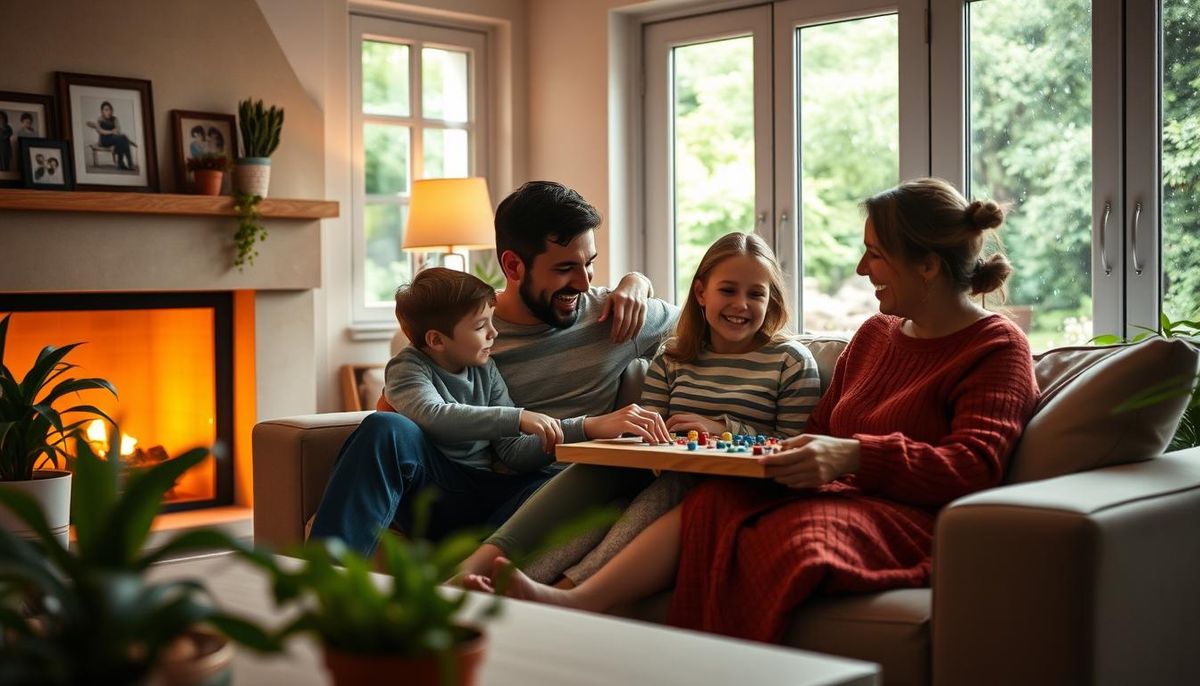
Family bonding is the steady, ordinary habit of giving each person in your home your attention, your curiosity and some shared fun. It does not need a big budget or a free weekend. The American Academy of Pediatrics (AAP) says a parent’s presence and attention matter more than expensive electronic toys, and that play with parents builds both social bonds and children’s ability to handle stress. This guide covers what bonding actually is, 12 activities that fit real schedules, and where to go next for siblings, holidays and travel.
What is family bonding, and why does it matter?
Family bonding is the repeated, warm, back-and-forth contact that makes a child feel seen and safe with the people they live with. Researchers at the Center on the Developing Child at Harvard University describe one core version of it as “serve and return”: responsive exchanges between a young child and a caring adult, like a game of tennis. A baby babbles, you answer. A five-year-old shows you a drawing, you ask about it.
The AAP clinical report on play adds that these interactions help buffer toxic stress. In its HealthyChildren.org summary, the AAP says that playing with a child makes that stress-buffering effect stronger. In plain terms, time spent together does real work for a child’s health, not just their mood.
Three ideas matter more than any single activity:
- Attention beats equipment. You do not need a special toy, trip or app. You need to be present and responsive.
- Small and repeated beats big and rare. A ten-minute ritual you do every day builds more connection than one elaborate outing a year.
- Every member counts. Bonding includes siblings, grandparents, partners and the parent who is tired and just wants the couch. The plan should work for them too.
How much time together do families need?
No official source sets a required number of hours for family bonding, so beware of any article that gives you one. The one concrete, sourced number in this area is about meals: the AAP says kids who eat with their families at least three times a week get the benefits, and that “even 3 meals together each week can make a real difference.”
Use that as your starting point and build up from there. Pick one shared meal, one weekly play block and one short daily ritual such as a bedtime story or a two-minute “best and worst part of the day” check-in. If you are a single parent, work long shifts or share custody, count the time you actually have. Breakfast, a car ride or a Saturday morning counts the same as dinner. Parents who are stretched thin may also find the ideas in our guide to self-care for moms useful, since a depleted parent has less to give.
12 family bonding activities that fit a normal week
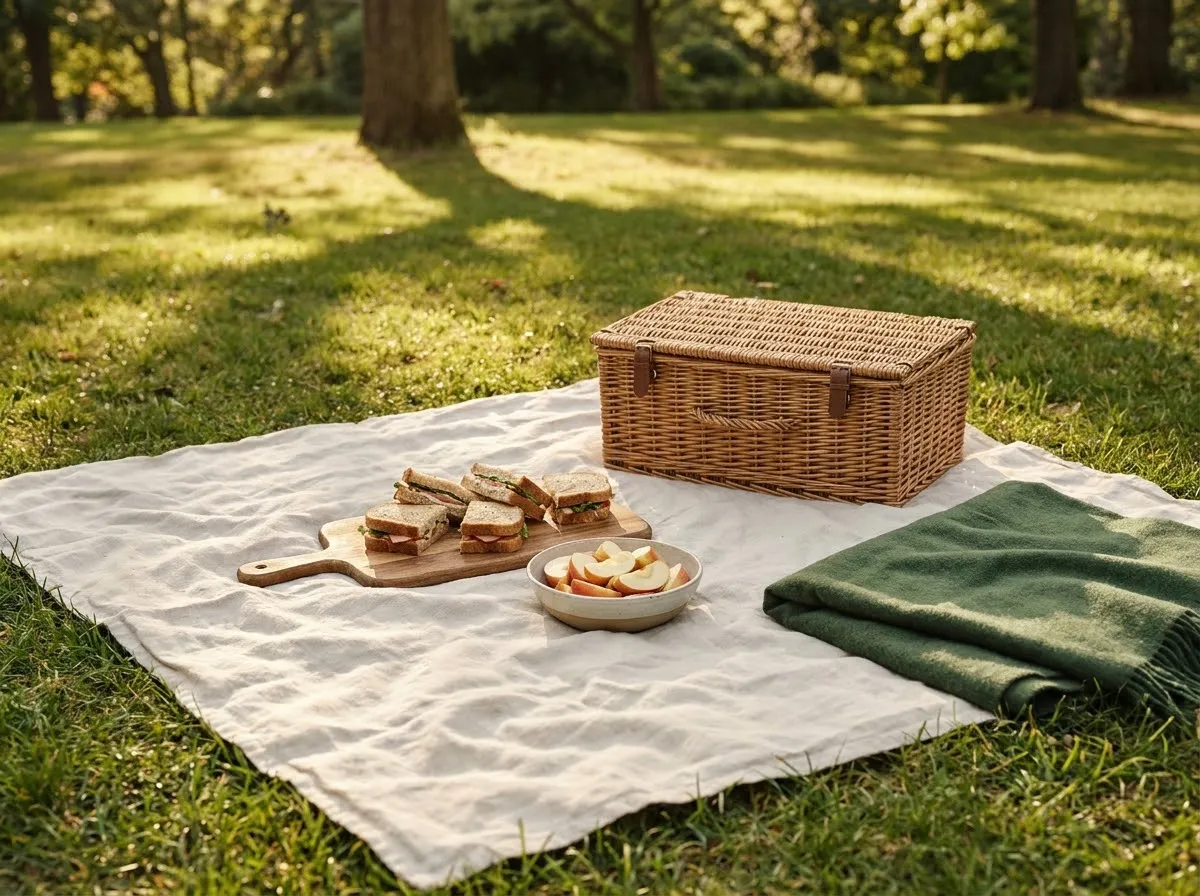
These 12 activities need little or no money and work with mixed ages. Adjust the difficulty to the youngest child and let the oldest take on a leadership role.
1. Eat one meal together, with devices away
Shared meals are the most researched family ritual. The AAP lists benefits including healthier eating, better emotional development and an easier path to a healthy weight, plus the chance to practice conversation. Its practical advice is to be “practical, not perfect”: sandwiches, fruit or leftovers all count, and weekend breakfast can fill gaps when dinner does not work.
Ask open-ended questions and let kids do most of the talking. If a topic turns heated, pause it until after the meal and follow through later, as the AAP suggests.
2. Cook or bake something together
Give each person a real job that fits their age. Younger children can fold napkins, wash produce or help shop. Older kids can plan and cook a full meal, according to the AAP’s family meals guidance. Choose a recipe that can fail safely, and keep hot surfaces and knives under adult control with younger children. If you want weeknight ideas, see our meal planning ideas for families.
3. Hold a weekly game night
Pick a rotating “game master” so each child chooses the game once a month. Cooperative games, where everyone wins or loses together, suit families with a big age gap or a competitive child. For toddlers, simple sorting, stacking or matching games work. The KidsHealth sibling-rivalry guidance lists board games, a movie night and playing catch as easy ways to share time.
4. Play pretend and follow your child’s lead
For ages 1 to 6, make-believe play is a direct route to connection. The AAP suggests make-believe, simple objects such as blocks and shape sorters, movement, singing and rhythm games for children aged 1 to 3, and singing, dancing, drawing and storytelling for ages 4 to 6. Let the child decide what the game is. Your job is to join in, not to teach.
5. Take a walk or play outside
A neighborhood walk, a playground trip or a backyard ball game covers the movement and the conversation in one go. The AAP names varied physical activity and unstructured play as part of healthy development. If money is tight, see our list of free family adventures near you.
6. Read aloud together
Reading together builds language and gives you a calm shared rhythm. The AAP encourages reading with children aged 1 to 3 and telling stories with 4 to 6 year olds. Let kids pick the book, do the voices, and ask to hear it again. Older children often still enjoy a chapter book read aloud, even if they read well alone.
7. Start a simple family project
A shared project gives everyone a role and a visible result: a vegetable box, a cardboard city, a photo wall or a family cookbook. Choose something that can be finished in a few sessions, so interest does not run out. For no-fuss supplies and mess control, see our kid-friendly crafts guide.
8. Give each child one-on-one time
Individual attention is one of the most repeatable tips in pediatric sibling advice. KidsHealth recommends giving each child one-on-one time based on their own interests, and the AAP says the same about preparing an older child for a new baby: set aside regular special time for each child, such as reading, playing a game, listening to music or talking. Even 15 minutes with one parent, once a week, tells a child they matter on their own.
9. Put on music and dance
Pick a playlist where each family member adds one song. Dancing counts as exercise, builds a shared memory and puts everyone in the same silly state. It works especially well when the mood in the house is tense.
10. Hold a short family meeting
For school-age children, KidsHealth suggests weekly family meetings to handle frequent conflicts, with points toward a family activity as a reward for cooperation. Keep the meeting under 15 minutes. Cover three things: what went well, what needs fixing, and what you want to do this weekend. Our guide to setting calm limits shows how to keep the tone calm.
11. Do something kind for someone else
The AAP’s winter-holiday guidance suggests giving can be small, such as running errands for a neighbor or watching a friend’s children so their parents can finish chores, and it says to ask your kids for ideas. Shared kindness can become a family habit that lasts all year.
12. Tell family stories
Ask grandparents or older relatives about their childhoods, record the answers on your phone, and look through photos together. Children learn where they come from, and relatives feel valued. A simple prompt works: “What was your favorite game when you were my age?”
How do you protect family time from screens?
The simplest rule is to create screen-free zones and times and apply them to adults too. The AAP’s family media plan suggests the dinner table, homework time and before bed as screen-free zones, with the stated benefits of stronger face-to-face connection, better learning and improved sleep.
The AAP’s three plan steps are to create rules that fit your family’s routines and values and discuss them with your kids, to make a plan for every family member including parents, and to revisit it as children grow, for example at the start of the school year or during holidays. It also lists “one screen at a time,” turning off autoplay and notifications, and using parental controls as example rules.
Screens are not the enemy. A family movie night is a legitimate shared activity. The aim is to choose when and how you use them. For under-twos, the AAP notes in its Flying With Baby guidance that screen time is not encouraged under age 2, so keep tablets a backup rather than the plan.
What family bonding activities work for each age?
Match the activity to the stage your child is in. The AAP’s play guidance gives age-specific examples:
| Age | What the AAP suggests | Easy family version |
|---|---|---|
| Birth to 6 months | Respond to smiles, imitate coos and babbles, show colorful objects, supervised tummy time | Face-to-face “conversations” during diaper changes |
| 7 to 12 months | A safe space to crawl, toys within reach, a mirror, peek-a-boo | Floor time with siblings watching and joining |
| 1 to 3 years | Blocks, shape sorters, movement, make-believe, reading, singing | Dance parties, pretend kitchens, bedtime stories |
| 4 to 6 years | Singing, dancing, drawing, storytelling, unstructured imaginative play | Family drawing night, story chains at dinner |
For school-age children and teens, shift toward shared interests and choice: cooking a meal they plan, a game they pick, a walk with a real conversation. The AAP’s family-meals page notes the brain does not fully mature until the mid-20s, so keep showing up for teens with low-pressure routines, even when they seem to want space. Rainy-day ideas for the youngest kids are in our rainy-day toddler ideas guide.
How do you help siblings bond?
Siblings bond through shared play, fair one-on-one time and a family that does not force friendship. KidsHealth says conflict between siblings is common and stems from changing needs, different temperaments and the way adults handle disagreements themselves. KidsHealth advises stepping in only when someone could be physically hurt, avoiding assigning blame, and looking for a “win-win” solution such as a game they can play together.
For a full set of games, ground rules, new-baby advice and when to seek help, read sibling bonding activities: 9 fun games that strengthen relationships.
How do you build holiday family traditions?
Choose a few traditions that matter to your family and drop the rest. The AAP’s HealthyChildren.org winter-holiday guidance advises keeping regular routines, protecting sleep and exercise, choosing only the events you can reasonably handle, and “rewrite the holiday script” by choosing together which activities to keep and which to skip.
Our holiday guide goes further, with seven traditions, a toy and gift safety checklist including what to do if a child swallows a button battery, and ways to handle stress. Read holiday family bonding ideas before the season starts.
How do you bond on a family trip?

Travel puts the whole family in the same place for days, which can be a bonding gift or a stress test. A shared plan helps. Let each child choose one activity, build in rest and snacks, and expect delays. The AAP’s travel safety advice suggests stopping about every two hours on car trips to rest and stretch.
Flying with little ones has its own rules for car seats, security screening and ear pain. See family travel tips: how to fly stress-free with little ones for the checklist, sourced to the FAA, TSA and AAP.
What does a realistic week of family bonding look like?
A realistic week has four or five small anchors, not a packed activity calendar. The sample below uses the sourced three-meals idea and the one-on-one time that pediatric guidance recommends. Swap days to suit your own schedule.
| Day | Anchor | Time needed |
|---|---|---|
| Monday | Bedtime story or quick check-in | 10 minutes |
| Tuesday | One-on-one time with one child | 15 to 20 minutes |
| Wednesday | Shared dinner, phones in another room | A normal dinner |
| Thursday | One-on-one time with another child | 15 to 20 minutes |
| Friday | Game night or movie night with snacks | 1 to 2 hours |
| Saturday | Walk, park or a family cooking project | 1 hour or more |
| Sunday | Shared breakfast and a short family meeting | 30 to 45 minutes |
The times are suggestions drawn from how long each activity usually takes, not research targets. If your week falls apart, do not make up for it. Resume the anchors the next day.
What mistakes get in the way of family bonding?
The most common problems are over-planning, comparing your family to a social media version and turning every moment into a lesson. Keep these in mind:
- Chasing the perfect day. The AAP’s own meal advice is to be practical, not perfect.
- Making it all about performance. Avoid quizzes and lectures at the table, a point the AAP’s family-meals guidance makes directly. Humor and open questions work better.
- Ignoring your own limits. A parent running on empty is more likely to snap. Protecting your sleep and quiet time is part of the plan.
- Treating every child the same. KidsHealth cautions against insisting that everything be exactly equal, because kids sometimes need different things.
- Skipping the repair. After a bad evening, say sorry, reset and try again tomorrow. Children learn how conflict ends from watching you.
What if your kids resist family time?
Resistance is normal, especially with tweens and teens, and the fix is usually to offer choice rather than force attendance. Try these approaches:
- Ask what they would enjoy. Let them plan the activity, and keep it short.
- Lower the bar. A shared snack or a walk to the shop may be easier to accept than “family fun time.”
- Keep it from becoming a chore. Forced attendance or using family time as a consequence makes it feel like a punishment.
- Combine it with their interest. A teen who loves music can choose the playlist. A child who loves animals can plan the zoo day.
- Stay consistent. The AAP notes that small daily anchors, such as reading the same bedtime story or a quick family check-in, bring calm.
Our positive parenting guide covers how warm, steady habits build resilience over time.
When should you get outside help?
Talk to your child’s pediatrician or a mental health professional if family conflict or a child’s mood goes beyond ordinary friction. KidsHealth lists specific triggers for sibling conflict: when it strains a marriage or relationship, creates a real risk of physical harm, damages anyone’s self-esteem or emotional well-being, or may be linked to a serious concern such as depression.
The AAP’s holiday guidance says to contact your pediatrician about sleep problems, major eating changes, or low moods lasting more than 2 weeks, especially with signs of anxiety, depression or self-harm, and not to wait until after the holidays. In a crisis in the United States, call or text 988, the Suicide & Crisis Lifeline. This page is general information, not medical advice.
Which family bonding plan should you start with?
Start with the smallest version that you can repeat. Three meals together a week, one 15-minute one-on-one block per child, and one screen-free zone is a plan most families can keep. Add one new activity from the list each month and drop whatever does not fit.
| If your week looks like this | Start here |
|---|---|
| Packed evenings, little time | Weekend breakfast together, a daily two-minute check-in |
| Kids far apart in age | Cooperative games, family project, shared playlist |
| Frequent sibling fights | One-on-one time, a weekly family meeting, a shared game |
| Tight budget | Walks, library reading, cooking, story swaps |
| Big holiday or trip ahead | The holiday and travel guides linked above |
All Family Bonding Travel guides
Family
- Family Travel Tips: How to Fly Stress-Free With Little Ones
Family travel tips for flying with babies and toddlers: seats and car seats, TSA rules, ear pain, medicine, safe sleep and what to pack.
- Holiday Family Traditions: 7 Ways to Bond Over the Festive Season
Seven holiday family traditions to start, plus pediatric tips on holiday stress, toy and gift safety, button batteries and budgets.
Fun Activities
- Sibling Bonding Activities: 9 Games That Strengthen Relationships
Nine sibling bonding games, tips for big age gaps, what pediatric sources say about sibling fights and how to help an older child with a new baby.
FAQ
What are good family bonding activities?
Good family bonding activities are simple, repeatable and let every member take part: shared meals, a weekly game night, cooking together, a walk, reading aloud, a family project, one-on-one time with each child and short family meetings. They need attention more than money. The American Academy of Pediatrics says a parent's presence matters more than expensive electronic toys, so pick activities your family can keep up.
How often should families spend time together?
No official source sets a required number of hours. The most concrete, sourced guidance is about meals: the American Academy of Pediatrics says kids who eat with their families at least three times a week get the benefits, and that even three meals a week can make a real difference. Start there, add one weekly play block and a short daily ritual, and build up gradually.
How do you bond with kids when you work long hours?
Use the time you actually have and make it predictable. A shared breakfast, a bedtime story, a ten-minute check-in or a Saturday walk all count. The American Academy of Pediatrics suggests small daily anchors, such as reading the same bedtime story or a quick family check-in, and says weekend breakfast or brunch can fill gaps when dinner does not work.
What are family bonding ideas for different ages?
For babies, respond to coos and smiles and play peek-a-boo. For ages 1 to 3, try blocks, make-believe, movement, reading and singing. For ages 4 to 6, try drawing, dancing, storytelling and imaginative play, based on American Academy of Pediatrics play guidance. For school-age children and teens, offer choice: a meal they plan, a game they pick or a walk with real conversation.
How do you reduce screen time and increase family time?
Create screen-free zones and apply them to adults too. The American Academy of Pediatrics family media plan suggests the dinner table, homework time and before bed. It recommends making rules that fit your routines and values, discussing them with kids, including parents in the plan and revisiting it as children grow. Replace screens with shared activities such as games, reading or outdoor play.
What if my kids don't want to join family activities?
Offer choice and keep it short. Let the child plan the activity, lower the bar to a shared snack or a walk, and combine it with something they already love. Avoid forcing attendance or using family time as a consequence, which turns it into a chore. Stay consistent and try again in a few days. Teens in particular respond to being asked rather than told.
How do you help siblings get along?
Give siblings cooperative games and fair one-on-one time with each parent, and step in only when someone could be physically hurt. KidsHealth advises avoiding blame, looking for win-win solutions, setting ground rules together and not insisting everything be exactly equal. If conflict risks harm, damages self-esteem or strains the family, ask your child's doctor about behavioral health resources.
When should I worry about my family's connection?
Seek help if conflict risks physical harm, harms anyone's self-esteem or emotional well-being, strains a relationship, or may be linked to depression. The American Academy of Pediatrics says to contact your pediatrician about sleep problems, major eating changes or low moods lasting more than 2 weeks. In a crisis in the United States, call or text the 988 Suicide & Crisis Lifeline.
Sources
- AAP HealthyChildren.org: The Power of Play: How Fun and Games Help Children Thrive (healthychildren.org)
- AAP HealthyChildren.org: Benefits of Family Meals: Eat Together, Thrive Together (healthychildren.org)
- AAP HealthyChildren.org: How to Make a Family Media Plan (healthychildren.org)
- AAP HealthyChildren.org: Comfort & Joy: Tips to Reduce Family Stress & Support Kids' Mental Health (healthychildren.org)
- AAP HealthyChildren.org: Preparing Your Older Child for a New Baby (healthychildren.org)
- AAP HealthyChildren.org: Tips for Safe & Stress-Free Family Travel (healthychildren.org)
- AAP HealthyChildren.org: Flying With Baby: Parent FAQs & Tips for Safer, Easier Air Travel (healthychildren.org)
- KidsHealth (Nemours): Sibling Rivalry (kidshealth.org)
- Center on the Developing Child at Harvard University: A Guide to Serve & Return (developingchild.harvard.edu)
Related articles
- Holiday Family Traditions: 7 Ways to Bond Over the Festive Season
Seven holiday family traditions to start, plus pediatric tips on holiday stress, toy and gift safety, button batteries and budgets.
- Sibling Bonding Activities: 9 Games That Strengthen Relationships
Nine sibling bonding games, tips for big age gaps, what pediatric sources say about sibling fights and how to help an older child with a new baby.
- Family Travel Tips: How to Fly Stress-Free With Little Ones
Family travel tips for flying with babies and toddlers: seats and car seats, TSA rules, ear pain, medicine, safe sleep and what to pack.
- 14 Best Family Blogs and Parenting Websites to Follow
A checked list of 14 family blogs and parenting websites for health, activities, recipes and support, plus how to judge any parenting blog.
- Family Meal Planning: A Week of Dinners and a Grocery List
Plan a week of kid-friendly family dinners with a five-step method, ten weeknight dinners, a free planner and grocery list, and safe food storage times.