
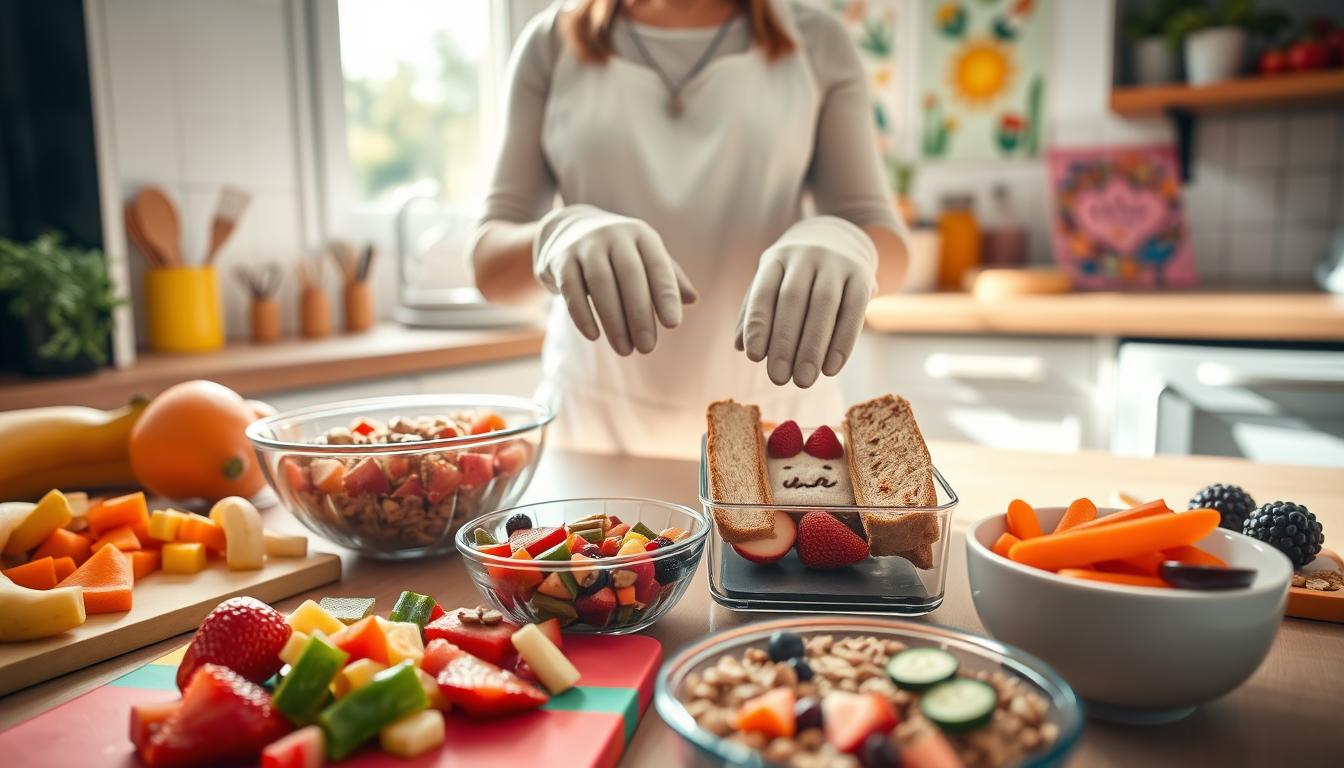
As a parent, making sure my child eats well is very important. But, dealing with picky eaters and a busy schedule can make meals tough. It’s key to give them healthy food that they like.
Childhood is when we start teaching them to eat right. As parents, we help shape their food choices. In this article, I’ll share meal-prep tips and recipes that have helped my family. They’ll help you with pediatric nutrition too.
Key Takeaways
- Simple meal-prep strategies to save time during the week
- Easy and healthy recipes that picky eaters will love
- Tips for introducing new foods and flavors to your child’s diet
- How to involve your kids in the cooking process
- Nutritional guidance for different age groups and dietary needs
Why Childhood Nutrition Matters for Long-Term Health
Childhood nutrition is key to a child’s future health. It helps prevent chronic diseases. The habits kids form early can affect their health for years to come.
The Connection Between Early Eating Habits and Future Health
Studies show early eating habits affect long-term health. Kids who eat well tend to stay healthy, have more energy, and avoid diseases like diabetes and heart disease.
Common Nutritional Deficiencies in American Children
Many American kids lack essential nutrients. They often don’t get enough iron, calcium, and vitamin D. This can cause anemia, weak immune systems, and poor bone health.
Balancing Nutrition with Real-World Parenting Challenges
It’s tough to balance nutrition with parenting. Busy lives and picky eaters make it hard to ensure kids get what they need. But, with a few strategies, parents can make a big difference.
| Nutritional Element | Importance | Food Sources |
|---|---|---|
| Iron | Crucial for healthy red blood cells | Red meat, spinach, fortified cereals |
| Calcium | Essential for bone development | Dairy products, leafy greens, fortified plant-based milk |
| Vitamin D | Important for bone health and immune function | Sunlight exposure, fortified dairy products, fatty fish |
Understanding childhood nutrition and common deficiencies helps parents. They can ensure their kids develop healthy eating habits. These habits will benefit them for life.
Understanding the Best Nutrition for Kids at Different Ages
Children’s nutritional needs change a lot as they grow. From toddlers to preteens, their diet must be tailored. Giving kids the right nutrients at the right time is key for their growth and health.
Toddlers (Ages 1-3): Building Blocks for Growth
Toddlers grow fast and need a diet full of protein, healthy fats, and complex carbohydrates. It’s important to offer a variety of foods to avoid picky eating. Toddlers need:
- Iron-rich foods like lean meats and fortified cereals
- Calcium for bone development, found in dairy and leafy greens
- Omega-3 fatty acids for brain health, available in fish and nuts
Young Children (Ages 4-8): Supporting Active Bodies
As kids get more active, their diet needs to keep up. They should eat a variety of whole foods like fruits, veggies, whole grains, and lean proteins. It’s also good to limit processed and sugary foods.
Preteens (Ages 9-12): Preparing for Puberty
Preteens are about to go through big physical changes. Their diet needs to support these changes. They need more calcium and vitamin D for bones and enough protein for muscles.
Adjusting Portions and Nutrients as They Grow
As kids grow, so do their portion sizes and nutrient needs. Parents should adjust meal plans to meet these changes. Regularly checking and updating their diet helps ensure they get the nutrients they need.
By understanding and meeting the nutritional needs of children at different ages, parents can help them develop healthy eating habits. This supports their overall growth and development.
Essential Nutrients Every Child Needs Daily
Good nutrition is key for kids’ health. It helps them grow, stay energetic, and think clearly. Making sure your child gets the right mix of nutrients is vital for their growth.
Protein: The Growth Powerhouse
Protein is crucial for kids’ growth. It helps build muscles, bones, and tissues. Foods high in protein include lean meats, fish, eggs, dairy, legumes, and nuts.
For example, a chicken serving or a cup of lentils can give a lot of protein. This is important for daily growth.
Healthy Fats for Brain Development
Healthy fats are important for brain health and function. They help vitamins absorb and give energy. Avocados, nuts, seeds, and fatty fish are good sources.

Carbohydrates: Energy for Active Kids
Carbohydrates give kids the energy they need. They fuel their busy lives. Whole grains, fruits, and veggies are full of carbs and fiber.
They also have vitamins and minerals. Foods like whole wheat bread, brown rice, and colorful fruits and veggies are great examples.
Critical Vitamins and Minerals for Children
Vitamins and minerals are vital for kids’ bodies. They help keep skin, eyes, and immune systems healthy. They support many bodily functions.
Calcium and Vitamin D for Strong Bones
Calcium and Vitamin D are key for strong bones and teeth. Dairy, leafy greens, and fortified foods are good sources of calcium. Vitamin D comes from sunlight, supplements, and fatty fish.
Iron and B Vitamins for Energy and Focus
Iron and B vitamins help make energy and improve focus. Iron is in red meat, beans, and fortified cereals. B vitamins are in whole grains, lean meats, and dairy.
| Nutrient | Importance | Food Sources |
|---|---|---|
| Protein | Growth and muscle development | Lean meats, fish, eggs, dairy, legumes, nuts |
| Healthy Fats | Brain development and energy | Avocados, nuts, seeds, fatty fish |
| Calcium | Bone health | Dairy, leafy greens, fortified foods |
| Iron | Energy production | Red meat, beans, fortified cereals |
By focusing on these nutrients, parents can ensure their kids are well-nourished. This sets them up for long-term health and success.
Decoding Picky Eating: Why Kids Reject Certain Foods
Understanding picky eating is key to helping kids eat better. It’s a common problem for many parents. Knowing why kids are picky helps us find ways to get them to eat healthier.
Sensory Sensitivities and Food Preferences
Some kids are very sensitive to food textures, smells, and tastes. This can make them not want to eat many foods. For example, they might not like veggies because of how they feel or smell.
The Psychology Behind Food Refusal
Why kids don’t want to eat certain foods is complex. They might do it to show they’re independent. If parents give in, it can make them more likely to refuse food.
When Picky Eating Might Signal Something More
Sometimes, being picky can mean there’s a bigger issue. This could be a food allergy or a developmental problem. It’s important for parents to watch for these signs and talk to a doctor if they’re worried.
My Child's Journey from Super Picky to Adventurous Eater
I’ve seen my child go from being very picky to trying new foods. It took patience and trying different things. We made mealtime fun and slowly introduced new foods.
| Strategy | Description | Effectiveness |
|---|---|---|
| Gradual Exposure | Introducing new foods gradually | High |
| Positive Mealtime Environment | Making mealtime enjoyable and stress-free | High |
| Involvement in Cooking | Engaging children in the cooking process | Medium |
My Proven Strategies for Expanding Your Child's Palate
As a parent, I’ve learned that expanding your child’s eating habits takes patience and creativity. It’s not about forcing them to eat something they don’t want to. Instead, it’s about introducing new foods slowly and making mealtime fun.
The "One Bite" Rule That Actually Works
The “one bite” rule is simple yet effective. It encourages your child to try at least one bite of something new. This helps them get used to different tastes and textures without feeling stressed. Being consistent with this rule at meals can really help them grow.
Food Chaining: Building on Familiar Favorites
Food chaining is a technique that has helped my family. It means introducing new foods that are similar to what your child already likes. For example, if they love a certain pasta, you can try a different shape or flavor. This way, they can gradually try new things while still enjoying what they know.
Making Mealtimes Positive and Pressure-Free
It’s important to make mealtime a positive experience. Don’t push your child to eat if they don’t want to. Instead, focus on enjoying the time together. Talk and keep the atmosphere relaxed.
Extreme Picky Eater Tactics That Saved Our Family Dinners
For very picky eaters, some extra strategies can help. These include the deconstructed meal approach and getting your child involved in cooking.
The Deconstructed Meal Approach
The deconstructed meal means serving different parts of a meal separately. For example, instead of a mixed casserole, serve the protein, veggies, and starches on different parts of the plate. This can make meals less scary for picky eaters.
Involvement Techniques That Create Buy-In
Getting your child involved in meal planning and cooking can really help. Let them help with shopping or simple cooking tasks. This teaches them about food and makes them feel more in control of what they eat.
Weekly Meal Prep: Saving Time While Maximizing Nutrition
As a busy parent, I’ve learned that meal prep is key. It makes healthy eating easy for my family. By spending a few hours each week, I ensure my kids get the nutrition they need without losing time.
Setting Up Your Kitchen for Efficient Meal Prep
Before starting meal prep, set up your kitchen right. You’ll need the right tools and containers. A good set of airtight, labeled containers keeps meals fresh and makes them easy to identify.
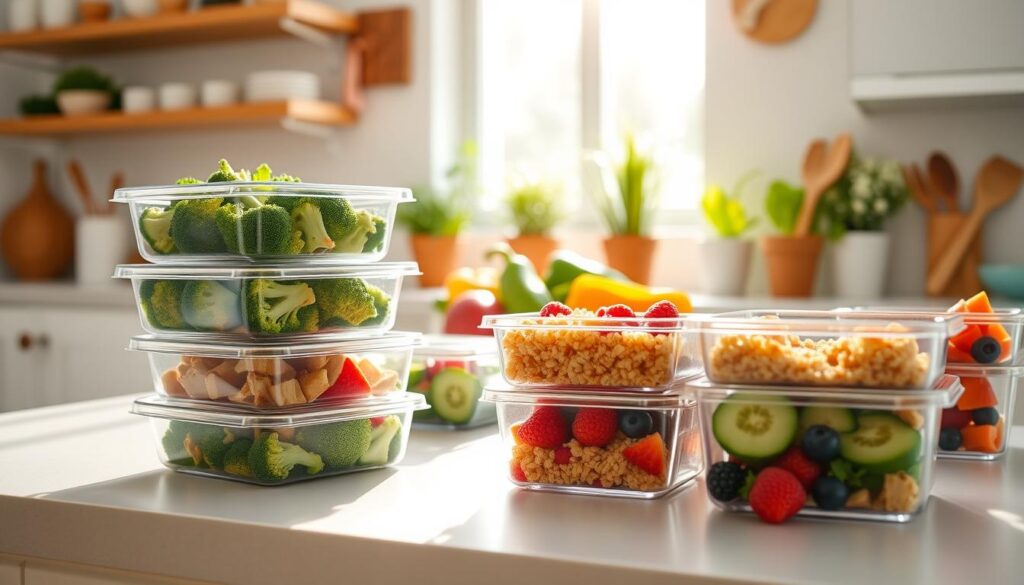
My 5-Day Meal Prep System for Busy Parents
My meal prep system is flexible and simple. Here’s how it works:
- Day 1: Plan meals and make a grocery list
- Day 2: Shop for groceries and prep ingredients
- Day 3: Cook proteins and grains
- Day 4: Prep veggies and assemble meals
- Day 5: Store and reheat as needed
Smart Grocery Shopping: Lists and Budget-Friendly Options
Smart shopping is key for meal prep. I plan meals and make a list first. To save money, I look for sales on whole grains, beans, and canned veggies.
| Item | Cost | Nutritional Value |
|---|---|---|
| Whole Grains | $2.50 | High in fiber and B vitamins |
| Canned Beans | $1.50 | Rich in protein and fiber |
| Fresh Vegetables | $3.00 | High in vitamins and antioxidants |
Storage Solutions That Keep Food Fresh and Appealing
Proper storage keeps meals fresh and appealing. I use different containers for various foods.
Best Containers for Different Food Types
For grains and proteins, airtight containers work best. For veggies, I use bags or containers that let air in.
Freezer-Friendly Options for Batch Cooking
Batch cooking and freezing save time. I cook big batches of soups, stews, and casseroles. Then, I freeze them in individual servings. This way, I have healthy meals ready anytime.
By using these meal prep strategies, I’ve made sure my family eats balanced meals for kids. It’s reduced stress and saved time during the week.
Kid-Approved Recipes That Deliver Hidden Nutrition
Finding meals that are both healthy and fun for kids can be tough. But, with clever recipes, mealtime can be a positive experience for all. This is especially true for families looking to improve their eating habits.
Breakfast Boosters: Morning Meals They'll Actually Eat
Starting the day with a nutritious breakfast is key. Here are some quick and healthy breakfast ideas that kids love.
5-Minute Protein-Packed Smoothies
Blend fruits, protein powder, and spinach for a quick breakfast. As one blog notes, “Smoothies are a great way to get kids to eat their greens without even realizing it!“
Make-Ahead Breakfast Muffins
Make a batch of breakfast muffins on the weekend. Store them in the fridge or freezer for a quick breakfast. These muffins can be made with oats, nuts, and dried fruits, making them a healthy choice.
Lunch Box Winners That Come Home Empty
Packing a lunch that your child will eat can be hard. Here are some ideas to make lunchtime more appealing.
Bento Box Combinations for Picky Eaters
Use a bento box to create a variety of small dishes. Include familiar foods and new ones to encourage trying new things. Tips for bento box packing: Use small portions, include a dip, and vary the textures.
Sandwich Alternatives with Complete Nutrition
Try wraps or pinwheels instead of sandwiches. Fill them with lean meats, cheese, and veggies for a nutritious meal.
Dinner Solutions for the Whole Family
Dinner is a great time to share a healthy meal. Here are some strategies for making dinner enjoyable and nutritious.
One-Pot Meals Everyone Will Eat
One-pot meals are simple and ensure a balanced meal. Try pasta with marinara sauce and hidden veggies, or a hearty stew with lean protein and veggies.
Build-Your-Own Dinner Stations
Set up a build-your-own dinner station, like a taco or salad bar. This lets everyone customize their meal, making mealtime more fun and interactive.
“The way we eat is a reflection of our values, and teaching our children to eat healthily is one of the most important gifts we can give them.”
By using these kid-friendly recipes and meal ideas, we can help our children develop healthy eating habits for life.
Snack Strategies: Nutritious Options That Feel Like Treats
Choosing healthy snacks that kids enjoy is key. As a parent, finding a balance between healthy eating and treats is important.
Smart Snacking: Timing and Portion Control
Timing and portion control are key for snacking. Snacks between meals keep energy up and prevent big meals. Portion out snacks to avoid too much.
Homemade vs. Store-Bought: Making the Best Choices
Choosing between homemade and store-bought snacks matters. Homemade snacks let you control ingredients. Store-bought snacks should have good ingredients and less sugar.
Emergency Snack Kit: What I Keep on Hand
An emergency snack kit is a must for busy parents. I have nutritious snacks like nuts, dried fruits, and energy bars. They’re healthy and kids like them.
Quick Recipes for Nutrient-Dense Snacks
Here are some quick, healthy snack recipes:
- No-Bake Energy Bites: Made with oats, peanut butter, and honey, these bites are a hit with kids.
- Veggie-Based Dips: Serve carrot and celery sticks with hummus or guacamole for a tasty and healthy snack.
No-Bake Energy Bites
Mix rolled oats, peanut butter, and honey to create bite-sized energy balls. Refrigerate until firm and enjoy as a quick snack.
Veggie-Based Dips That Kids Actually Like
Serve veggie sticks with a side of hummus or guacamole. Kids love dipping, and it’s a great way to get them to eat their veggies.
Conclusion: Nurturing Healthy Eaters One Meal at a Time
Helping kids develop healthy eating habits is a long journey. It needs patience, persistence, and a good plan. By understanding the best nutrition for kids and using the strategies from this article, parents can help their kids stay healthy for a long time.
Child nutrition is key for growth, development, and energy. Parents can help by focusing on whole foods, meal prep, and recipes that kids like. Every little step, like overcoming picky eating or finding healthy snacks, is important.
The secret to success is to take it one meal at a time. Making small changes and celebrating each victory helps build a positive relationship with food. By focusing on pediatric nutrition and making smart choices, we can give our kids a great start in life.
FAQ
What are the most essential nutrients for kids’ growth and development?
Kids need a balanced diet with protein, healthy fats, and carbs. They also need vitamins and minerals like calcium, vitamin D, iron, and B vitamins. These nutrients help with growth, energy, and health.
How can I encourage my picky eater to try new foods?
Try the “one bite” rule and food chaining. Make mealtime positive. Involve your child in cooking to encourage trying new foods.
What are some kid-friendly recipes that hide nutrition?
Recipes like protein-packed smoothies and make-ahead breakfast muffins are great. Bento box combinations and one-pot meals also hide nutrition in a fun way.
How can I meal prep effectively for my family?
Organize your kitchen for meal prep. Use a 5-day meal prep system. Smart grocery shopping saves time and boosts nutrition.
What are some healthy snacking strategies for kids?
Snack timing and portion control are important. Choose snacks like no-bake energy bites and veggie dips. They’re healthy and fun for kids.
How do I adjust my child’s diet as they grow and develop?
Nutritional needs change as kids grow. Adjust portion sizes and ensure a balanced diet at each stage. This is crucial for their development.
What are some signs that my child’s picky eating might be a sign of something more serious?
Watch for extreme pickiness, avoiding food groups, or signs of nutritional deficiencies. If you see these, talk to a healthcare professional. They can check for underlying issues.
How can I make mealtime more positive and engaging for my child?
Create a positive mealtime atmosphere. Use deconstructed meals and involve your child in cooking. This makes mealtime fun and reduces stress.