Stroller vs Travel System: Which Is Better for Your Family?
- Posted by Your Mama Reviews Editorial Team
- Reviewer: Your Mama Reviews Editorial Team
- Review date
- First published
- Last updated
- Topic: For Mama
A travel system is a stroller frame sold with an infant car seat that clicks into it, while a stroller is the frame alone. Choose a travel system if you drive often and want a quick car-to-sidewalk transfer; choose a stroller alone if you walk more or want a frame that outlasts the infant seat. Either way, a baby should not nap long in the car seat.
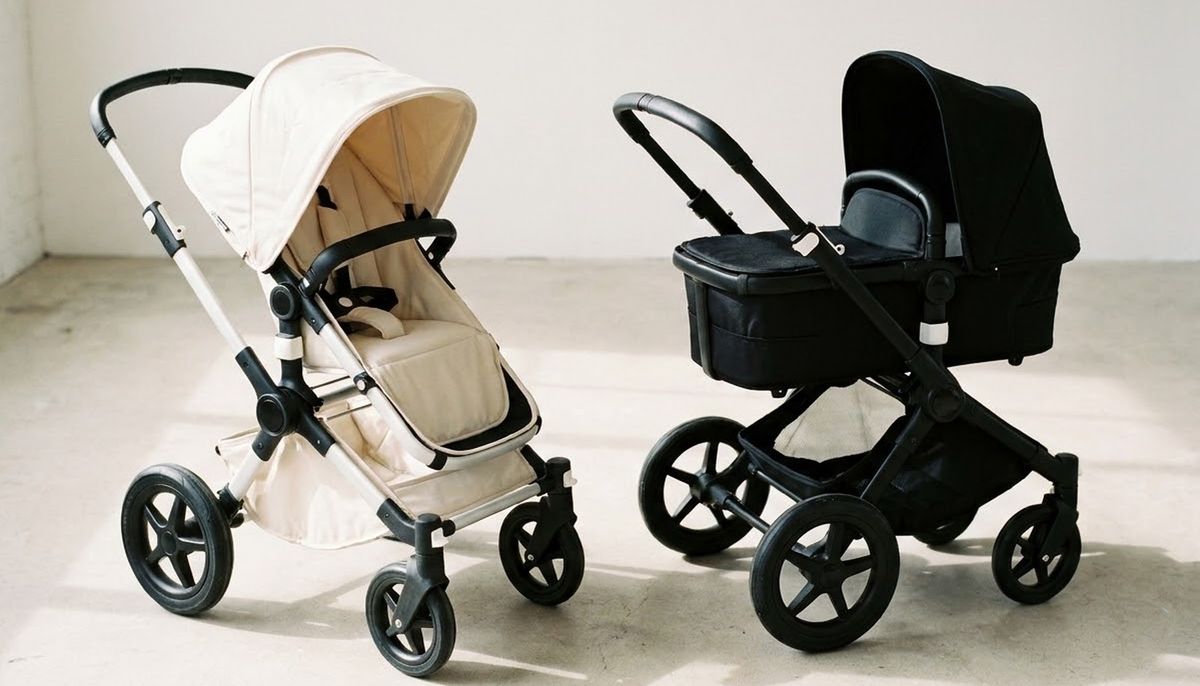
Part of our guide: Honest Baby Gear Reviews: What You Need and What to Skip
A travel system is a stroller frame sold with an infant car seat that clicks into it, while a stroller is the frame and seat on their own. Choose a travel system if you want to move a baby from car to sidewalk without unbuckling them, and choose a stroller alone if you want a frame that lasts well past the infant seat. This guide is researched buying guidance drawn from CPSC and AAP safety sources, not a hands-on test or a product ranking.
It is part of the baby gear guide, which covers the other safety-critical purchases such as sleep space and car seats. This is general information; ask your pediatrician about your own baby’s needs.
What is the difference between a stroller and a travel system?
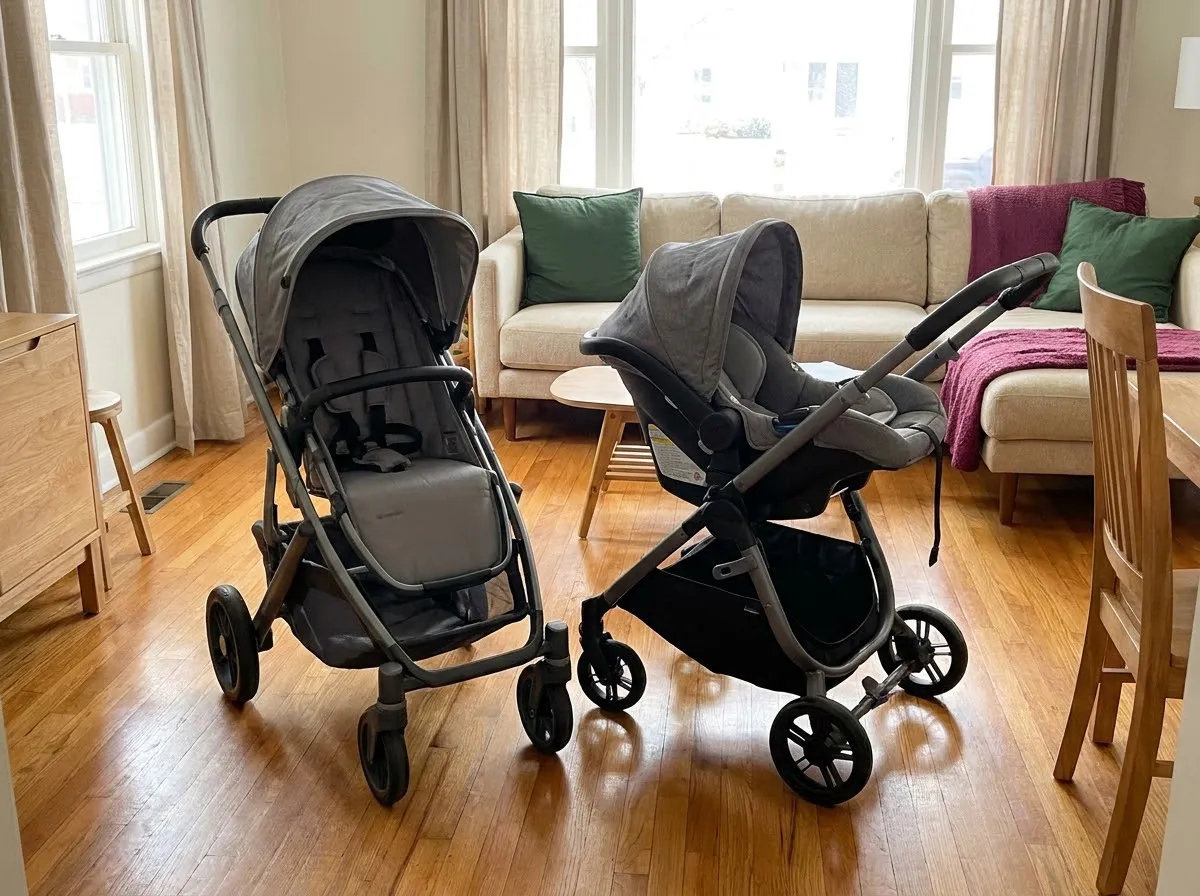
A travel system bundles three pieces: a stroller frame, a stroller seat and an infant car seat that attaches to the frame, usually with a base for the car. A stroller is just the frame and seat.
The infant car seat is the part that changes the math. Infant-only car seats are small, have handles and click in and out of a base that stays in the vehicle. The AAP says rear-facing-only seats suit infants up to about 22 to 35 pounds and 26 to 35 inches, depending on the model. After that, the child needs a larger rear-facing seat, so the infant seat has a limited life while the stroller frame can keep going.
CPSC defines a carriage as a product that transports infants, usually lying down, and a stroller as a product that carries infants or children, usually sitting up or semi-reclined, typically from infancy to 36 months. A “car seat/stroller” combination is explicitly addressed in the federal stroller standard.
Stroller vs travel system: which is better for you?
Neither is better in general; the right pick depends on how you move around. The table summarizes the practical trade-offs, with the safety points drawn from the sources listed on this page.
| Question | Travel system | Stroller alone |
|---|---|---|
| Moving a sleeping baby from car to frame | Seat clicks out of the base and into the frame | Baby must be unbuckled and moved |
| How long the car seat is used | Until the baby outgrows the infant seat’s limits (about 22 to 35 lb, depending on the model, per the AAP) | You can buy a convertible seat instead of an infant seat |
| How long the frame is used | Frame continues, often with a toddler seat | Frame continues |
| Setup | One purchase, compatibility is handled for you | You must confirm any car seat adapter fits |
| Flexibility | Frame and seat are chosen as a pair | You pick each part separately |
| Sleep safety | Car seat is for travel, not routine sleep | Use a stroller seat that reclines for rides, not long naps |
When a travel system makes sense
A travel system suits you if you drive often with a young baby, make many short stops, or want the simplest route from car to sidewalk. Because the car seat attaches to the frame, you can carry a baby who falls asleep in the car without waking them to transfer. The caution is covered below: a sleeping baby should not stay in the car seat for long periods once you are out of the car.
When a standalone stroller makes sense
A standalone stroller suits you if you walk or use public transit more than you drive, if you plan to use a convertible car seat from the start, or if you want the lightest frame. It can also suit families who already own a car seat they trust. In that case, check with the stroller maker whether an adapter exists for your exact car seat model before you buy.
When you may not need either right away
If you plan to carry a young baby in a carrier and walk short distances, you may be able to wait. Carriers carry their own safety rules; see the carrier section in the baby gear hub.
Is it safe for a baby to sleep in a travel system car seat?
No, not as routine sleep. The AAP says that if a baby falls asleep in a car seat, stroller, swing, infant carrier or sling, you should move the baby to a firm, flat sleep surface on their back as soon as possible.
That is the main limit of the “click and go” convenience. Treat the car seat on the stroller frame as a way to transport a baby, not as a bed. Plan walks and errands around the baby’s schedule so that long sleeps happen in the crib or bassinet.
The AAP safe sleep guidance adds that any surface inclined more than 10 degrees is not safe for sleep. Stroller seats and car seats are inclined by design, which is another reason they are for travel.
What safety rules apply to strollers?
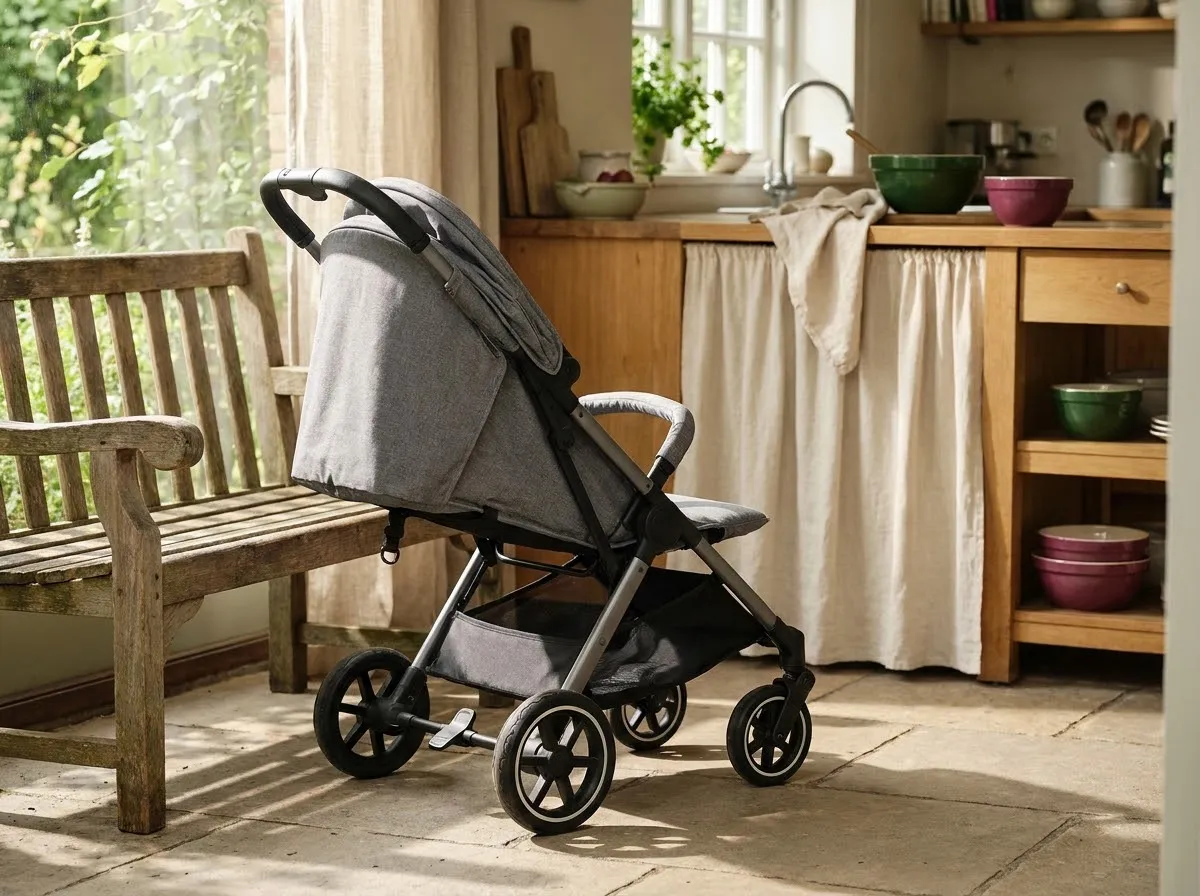
Strollers must meet a mandatory federal standard, 16 CFR part 1227, which incorporates ASTM F833 with CPSC modifications. CPSC lists the areas it covers: parking brake, static load, stability, restraining system, occupant retention, car seat/stroller products, impact, wheel and swivel detachment, and head entrapment with a car seat on a stroller.
For the standard’s age and version details, the Federal Register notices explain:
- The stroller age range is typically infancy to 36 months.
- The rule incorporating ASTM F833-21 took effect on February 15, 2022.
- Section 14(a) of the Consumer Product Safety Act requires certification for children’s products.
- Consumer registration forms are required under Section 104(d) of the CPSIA for durable infant and toddler products so makers can contact owners about recalls.
CPSC reviewed stroller incidents when it proposed the rule: it counted 1,207 incidents reported from January 1, 2008 through December 31, 2012, including four fatalities. The figures predate the current standard, but they show the kinds of hazards the rules target, including restraint and brake problems.
Check the label and the paperwork
Before you buy, look for the manufacturer’s contact information, model number and manufacture date on the product, plus the registration card. If a seller cannot show you these, treat that as a red flag, especially with secondhand frames.
Look for voluntary verification
The Baby Safety Alliance verification program, formerly the JPMA certification program, covers strollers among its product categories. It is voluntary, relies on sample testing at independent laboratories, and does not replace federal requirements. Use it as a tie-breaker, not as a guarantee.
What car seat rules apply in a travel system?
The car seat in a travel system follows the same rules as any other car seat. The AAP says infants should ride rear-facing from the first ride home and keep riding rear-facing until they reach the highest weight or height the manufacturer allows.
Key checks from the AAP car seat checkup:
- Fit. The harness should be snug and the chest clip at armpit level.
- Installation. The installed seat should move no more than 1 inch side to side or front to back.
- Expiration. If no date is printed, the AAP considers a seat too old six years after its manufacture date.
- History. Do not use a seat that has been in a crash, recalled, cracked or missing parts.
- Registration. Register the seat so the maker can notify you of a recall.
Not every seat fits every vehicle, so check the car’s owner’s manual. A certified child passenger safety technician can check your installation; the AAP points to cert.safekids.org and its “Find a Tech” feature.
When the infant seat is outgrown
When the infant seat’s limits are reached, the AAP’s guidance is to keep the child rear-facing as long as the maker allows, which usually means moving to a convertible or all-in-one seat in rear-facing mode, not to switch earlier. Many convertible seats allow rear-facing up to 40 to 50 pounds. At that point, your stroller frame can keep serving as a stroller, but the frame is no longer a car seat carrier.
How long will a stroller or travel system last?
The stroller frame can last until the child outgrows its weight and age limits, while the infant car seat lasts only until the baby outgrows its limits or the seat expires. The CPSC describes strollers as typically for infancy to 36 months, though individual models have their own limits.
For specific limits, rely on the manual and the manufacturer’s current product page for the exact model you are considering. Weight limits, folded size and seat options change between model years, and this guide does not list them for individual products.
Ask the questions below before you commit:
- What are the infant seat’s weight and height limits, and what is its expiration?
- What is the stroller frame’s weight limit and the child’s maximum age for it?
- Does the stroller seat recline enough for a young baby, and what kind of harness does it use?
- Are replacement parts and adapters available later?
What should you check before buying any stroller?
Check the restraint, the brakes, the folding latch and the paperwork, then check recalls. A short checklist helps in a store or when comparing online listings.
- Restraint. Look for a harness that fits snugly and buckles every time. CPSC lists the restraining system among the performance areas covered by the standard.
- Parking brake. Confirm it holds when set, since the standard covers it. Do not assume the stroller will stay put on a slope.
- Folding latch. Confirm the frame locks open every time and that fingers cannot be pinched in hinges; CPSC lists latching and pinching among the covered hazards.
- Weight limits. Do not hang heavy bags on the handle in a way that makes the stroller unstable; check the manual for storage-basket limits.
- Recalls. Search the CPSC recall database by product and manufacture date.
- Registration. Send in the registration card or register online.
A stroller with a reliable five-point harness, parking brake and recall-free history serves you better than extra cup holders or a trendy fabric. The holiday baby product guide lists what to look for when buying a stroller as a gift, though strollers are usually best chosen by the parents themselves.
Can you use a stroller for air travel?
Many parents gate-check a stroller or bring a lightweight frame, but airline rules vary. Check the airline’s policy and the stroller manual before you travel. For other tips on flying with a baby, see the family travel tips page.
What if you are buying secondhand?
Secondhand strollers can save money, but the history of a frame is hard to read. Check the label for the manufacture date, confirm the brakes, restraint and latch all work, and search recalls by model. Do not use a secondhand infant car seat if you do not know its history.
Because the stroller standard has been updated over time, an older frame may predate current requirements; check the manufacture date and recall history before buying used.
Stroller vs travel system: the verdict
Choose a travel system when you drive often, want a fast transfer from car to frame, and are happy to move the baby into a bed as soon as you arrive. Choose a stroller alone when you walk more than you drive, want a lighter frame, or already have a car seat.
Either way, the safety checks are the same: a mandatory-standard frame, a restraint that works, a correctly installed and unexpired rear-facing car seat, a recall check and a registration card. For the other gear decisions around it, return to our baby gear reviews.
Planning for naps on the go? See how many hours of sleep babies typically need in our baby sleep by age guide, and follow the AAP advice to move a baby who falls asleep in a stroller to a flat sleep surface as soon as possible.
| Feature | Travel system | Stroller alone |
|---|---|---|
| What you get | Frame, stroller seat and infant car seat | Frame and stroller seat |
| Car to sidewalk | Car seat clicks into the frame | Baby is unbuckled and moved |
| Car seat life | Infant seat outgrown at about 22 to 35 lb (AAP, varies by model) | Your choice of infant or convertible seat |
| Frame life | Continues after the infant seat | Continues |
| Sleep safety | Move baby to firm, flat surface if asleep (AAP) | Reclined stroller seat for rides, not long naps |
| Safety standard | Stroller: 16 CFR 1227; car seat: federal car seat rules | 16 CFR 1227 |
Pick a travel system if you drive often and want a quick transfer; pick a stroller alone if you walk more or want a longer-lasting frame.
FAQ
Is a travel system worth it?
A travel system is worth it if you drive often with a young baby and want to move the infant car seat between the car and the stroller frame without unbuckling the baby. It matters less if you walk or use transit, or plan to switch to a convertible car seat early. The infant seat is outgrown first, which the AAP puts at about 22 to 35 pounds depending on the model, while the frame can continue.
What is the difference between a stroller and a travel system?
A stroller is a frame with its own seat, while a travel system pairs a stroller frame with an infant car seat that clicks into it, usually with a base for the car. CPSC describes strollers as carrying infants or children, usually sitting up or semi-reclined, from infancy to about 36 months. The travel system adds the car seat, which is outgrown before the frame.
Can a newborn sleep in a travel system car seat?
Not as routine sleep. The AAP says that if a baby falls asleep in a car seat, stroller, swing, infant carrier or sling, you should move them to a firm, flat sleep surface on their back as soon as possible. Any surface inclined more than 10 degrees is not safe for sleep. Ask your pediatrician about your own baby's situation.
How long can a baby use an infant car seat?
Until the baby reaches the seat's weight or height limit or the seat expires, whichever comes first. The AAP says rear-facing-only seats suit infants up to about 22 to 35 pounds and 26 to 35 inches, depending on the model. Then the child should move to a larger rear-facing seat, since the AAP recommends staying rear-facing until the highest limit the maker allows. Check your manual for the exact limits and expiration.
Do strollers have to meet safety standards?
Yes. Strollers sold in the United States must meet the mandatory standard in 16 CFR part 1227, which incorporates ASTM F833-21 with CPSC modifications for products effective February 15, 2022. It covers the parking brake, stability, restraining system, occupant retention, car seat and stroller combinations, and more. Federal rules also require certification under Section 14(a) of the Consumer Product Safety Act and consumer registration forms for durable infant or toddler products.
Can I use any car seat with any stroller?
No. A car seat attaches to a stroller frame only if the manufacturer designs or approves that pairing, often through a matching base or an adapter. Always confirm compatibility with the stroller maker for the exact model of both products, and follow the manuals. The federal stroller standard has requirements for car seat and stroller products, but it does not make different brands interchangeable.
How do I check if a stroller or car seat is recalled?
Check for recalls by product name and manufacture date through the manufacturer, and for car seats you can also contact the NHTSA Vehicle Safety Hotline at 888-327-4236. Register the product using the included registration form so the maker can reach you directly if a recall is issued.
Sources
- Federal Register: Safety Standard for Carriages and Strollers, final rule (Nov. 18, 2021) (govinfo.gov)
- Federal Register: Safety Standard for Carriages and Strollers, proposed rule (May 20, 2013) (govinfo.gov)
- AAP HealthyChildren.org: Car Seats, Information for Families (healthychildren.org)
- AAP HealthyChildren.org: Car Seat Safety Checkup (healthychildren.org)
- AAP HealthyChildren.org: How to Keep Your Sleeping Baby Safe (healthychildren.org)
- Baby Safety Alliance: Verification Program (formerly JPMA Certification) (babysafetyalliance.org)
Related articles
- Honest Baby Gear Reviews: What You Need and What to Skip
Researched baby gear guidance: what newborns need, safe sleep, car seat, stroller and carrier rules, and gear to skip, sourced to AAP and CPSC.
- Baby Clothes Size Chart: Size by Age, Weight and Height
Baby clothes sizes by age, weight and height from the published Carter's and Gerber Childrenswear charts, with how to measure and when to size up.
- Baby Sleep by Age: How Many Hours Are Typical
How many hours of sleep babies, toddlers and children need by age, from the AASM consensus statement the AAP supports, and what to know about wake windows.
- Holiday Baby Gift Guide: Safe Gifts for Newborns and Infants
Researched holiday gift guidance for newborns and infants: safe toys, sleep gift dos and don'ts, battery and magnet rules, from AAP, CPSC and CDC.
- Educational Toys for Kids: What to Buy at Every Age
How to choose educational toys for babies through age 5: AAP toy types, milestones by age, screen limits and safety checks, no brand rankings.
- Self-Care for Moms: 12 Simple Rituals to Recharge Your Day
Twelve realistic self-care rituals for busy moms, plus sleep, movement and mental health guidance from NIH and HHS, and when to call for help.